


BAKERSFIELD, Calif. (KERO) — A Bakersfield pediatrician says declining vaccination rates and growing vaccine misinformation are contributing to the return of measles, a disease that was once considered largely eliminated in the United States.
Dr. Niranjan Dass, who has practiced pediatrics for more than a decade, says measles was rarely a concern among parents before the COVID-19 pandemic because vaccination rates were high enough to create herd immunity.
"Before COVID, nobody thought about it," Dass said. "It wasn't a big deal because almost everybody was vaccinated."
According to Dass, herd immunity helps protect communities when vaccination rates remain above 90%. However, he believes missed vaccinations during the pandemic, combined with increased anti-vaccine messaging, have led to lower immunization rates and a growing number of measles cases.
"Our herd immunity has gone down, and now our kids don't have immunity to fight the measles," Dass said.
Measles is one of the most contagious diseases in the world. A person infected with the virus can spread it to others before realizing they are sick, making outbreaks difficult to contain.
Dass said many people underestimate the seriousness of the disease, often assuming it causes only a fever and rash. However, he warns the virus can lead to severe complications.
"One in 20 will get pneumonia," Dass said. "One in 1,000 will get brain damage. We call it encephalitis. It can cause blindness and intellectual delays."
He added that there is no specific treatment for measles once someone becomes infected. Instead, doctors can only provide supportive care while the illness runs its course.
Dass points to misinformation online as one of the primary reasons some families are choosing not to vaccinate their children.
"I personally feel this disease is coming back to us because of misinformation," he said.
While patients often turn to search engines and social media for health information, Dass encourages parents to discuss vaccine concerns directly with their pediatricians and trusted medical organizations.
"My recommendation is just go talk to your pediatrician," he said. "Go talk to the CDC or the American Academy of Pediatrics. We have organizations that have the facts."
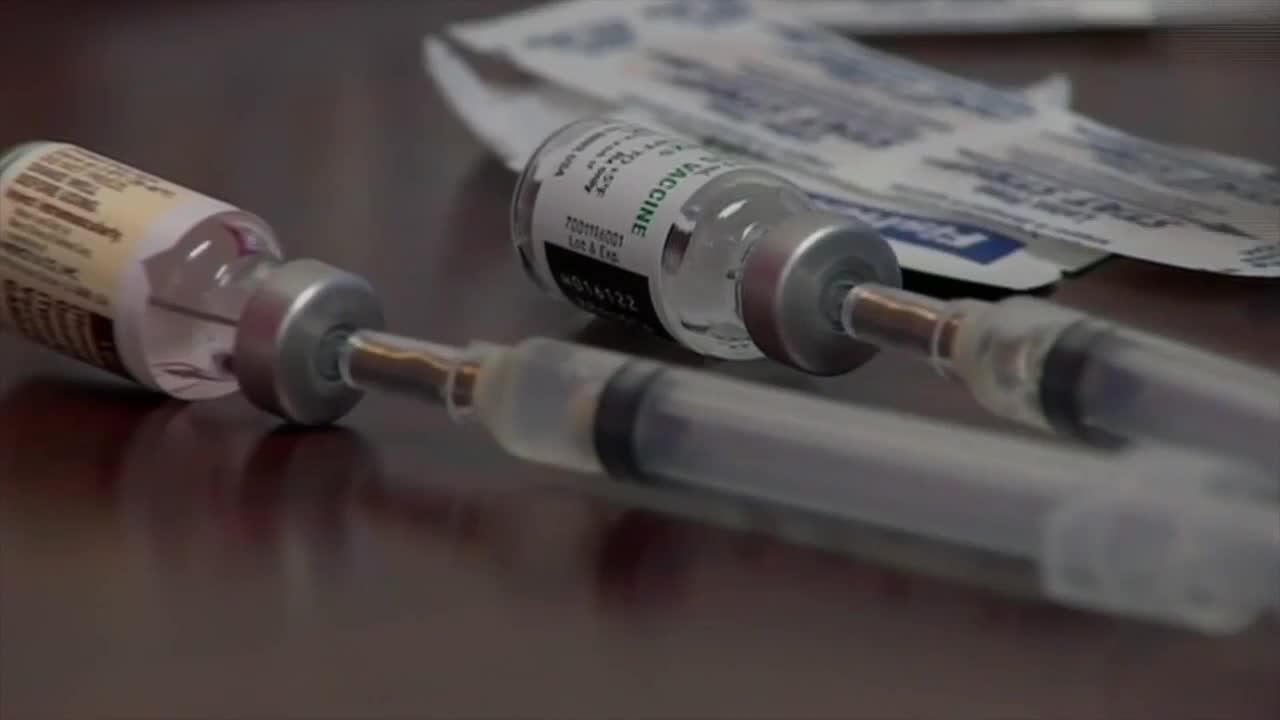
The measles vaccine is typically administered as part of the MMR vaccine, which protects against measles, mumps and rubella. Dass said children generally receive two doses, one around their first birthday and a second around age four.
He says the vaccine's decades-long record of success should reassure families who remain hesitant.
"This has worked for the last 70 years," Dass said. "Why would it not work moving forward?"
As measles cases continue to appear around the country, Dass hopes parents will seek information from trusted medical sources and help prevent a disease he says should already be a thing of the past.
"We should trust the research," Dass said. "We don't want to lose even a single life."
Stay in Touch with Us Anytime, Anywhere:
