

DELANO, Calif. (KERO) — It was a cold winter night in 1966 when Dolores Huerta recalls being driven to a secluded grape field in Delano. The driver stopped. Moments later, she alleges, the driver violated her. Six years earlier, Huerta says the same man cornered her in a hotel room during a work trip to San Juan Capistrano — pressuring her into sex. That man was Cesar Chavez, the towering figure of the farm labor movement.
On Wednesday, Huerta unleashed that bombshell revelation in an interview with The New York Times. In a heart-wrenching public statement released later, Huerta declared:
“I am nearly 96 years old, and for the last 60 years have kept a secret because I believed that exposing the truth would hurt the farmworker movement I have spent my entire life fighting for."
Chavez died in 1993, but the allegations have sent shockwaves through communities nationwide — and nowhere more fiercely than Delano, the birthplace of the farm labor revolution.
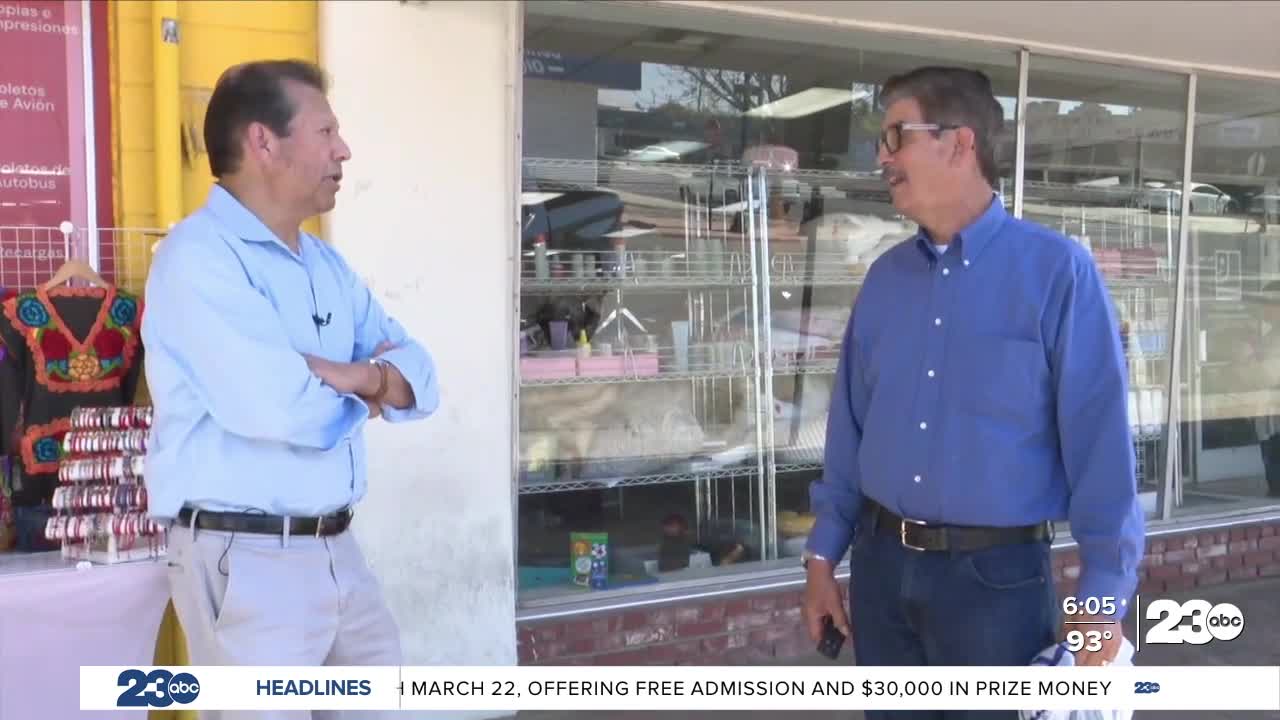
"I'm in shock, I'm in total shock because of the fact of who he was and who he represented, its horrible," said Hermelinda Mendoza, a longtime Delano resident. "I'm very sad, but I'm glad that it came out, because a lot of women who are victimized shouldn't have to live through something so horrible."
At least two other women have now stepped forward, accusing Chavez of predatory behavior. Huerta’s decision to speak publicly has given their accounts undeniable weight.
Huerta explained:
"I didn’t feel I could say no because he was someone that I admired, my boss and the leader of the movement I had already devoted years of my life to. The second time I was forced, against my will, and in an environment where I felt trapped."
A frequent comment heard by people in Delano was about the timing of the allegations against Chavez. Why did the victims wait so long to speak out?
"If Dolores Huerta had denounced her assaults back then, maybe there wouldn't have been the progress in the fields that were accomplished," said Ana Maria Arreola. She added that there will probably be more victims to come forward.
Others note that speaking out in the 1960s meant facing crushing backlash.
"Back then, nobody would ever say something. I think because of being afraid, just being afraid," said Mendoza.
Now, seemingly free from that fear, Huerta closes her statement with a piercing declaration: "I have kept this secret long enough. My silence ends here."
Stay in Touch with Us Anytime, Anywhere: