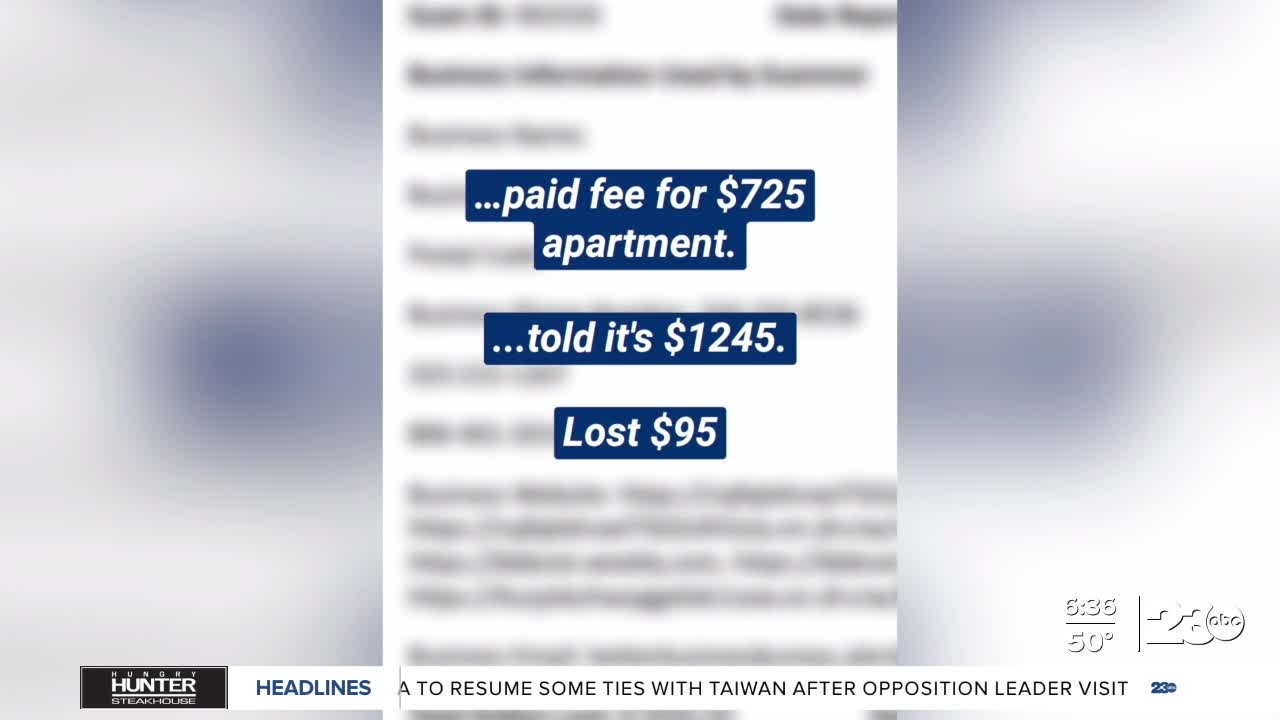


BAKERSFIELD, Calif. (KERO) — Fake rentals take big upfront money and leave you locked out!
Better Business Bureau
Check the latest BBB Scambusters at joeknowsbetter.com
BBB often warns consumers against doing business with callers and online companies that don’t have a valid physical address. But scammers are tricky and have found a way to associate an address with their shady dealings.
BBB Scam Tracker reports indicate that many con artists steal online rental listings – including photos of the house or apartment and the property description – and create their own listings that look legitimate but contain the scammer’s contact information instead of the property owner’s or rental agent’s. They may work out a deal with potential buyers or renters over the phone, insisting that, because of an emergency or circumstances beyond their control, they are unable to meet in person or show the property. Instead, they'll set up a drive-by of the property to view from the outside and then send a contract by mail or email. The entire transaction is done virtually.
Once the contract is signed, they ask for a deposit and the first month’s rent. In return, they promise to mail the keys once the funds have cleared. Sadly, no key arrives. The phone and email address that worked before during the negotiation process are shut down, and the cash is gone.
Vacant house scams
Scammers will use vacant addresses to convince unsuspecting renters that they own the place. They'll scout out vacant homes that don’t seem well-cared for – a “For Sale” sign, lack of an alarm system, or an unkempt lawn are a few clues. After identifying a potential client, the vacant home is set up as their own rental listing, including tours to potential renters. In a few cases, renters who thought they had a signed lease and were paying rent eventually find out who really owns the home months later and have to move out.
Businesses using fake addresses
Common high-value items such as RVs, cars, boats, select breed puppies, and brand-name clothing, advertised at steeply discounted prices and prompt shipping, can be found online on what looks like a trusted website. The images are harvested from legitimate websites to convince people that the products are in stock and ready for delivery. The address listed for the business is also not what it seems. A quick web search may reveal that the “business address” may be located in a residential area, a vacant place of business, an empty lot, or the same address as a real, but unrelated business.
Tips for renters:
Confirm the identity of the landlord. A legitimate landlord won’t hesitate to show their ID and allow a photo to be taken. Confirm the real property owner by checking county registers.
Know local rental prices. If someone offers a great rental for an extremely low price, compare the same property in the same neighborhood and ask questions.
See the property first. Never sign a lease or deposit without seeing the property in person first.
Never wire money to a stranger. Don’t give in to a sob story. Once the wired cash is gone and the deal falls through, there is no way to get the money back. Legitimate landlords should always accept payment by check.
Watch out for red flags. If a property has a “for sale” sign, but the “landlord” wants to rent, ask questions. It’s also suspicious to find a broken lockbox. Check local rental and sales listings. See if the property is on there before going to an open house.
Use the services of a reputable rental agency. Find agents on BBB.org