



LAMONT, Calif. (KERO) — Did you know your food scraps could be doing more than filling your trash can, they could be helping local farms?
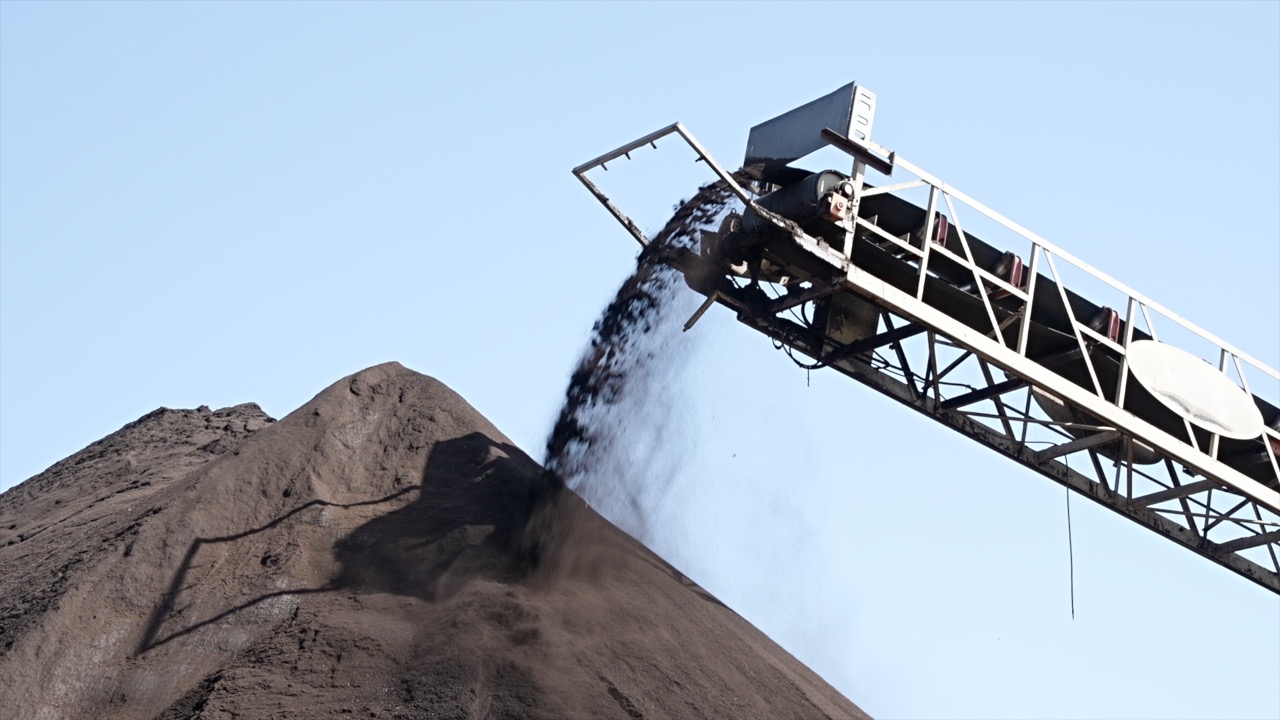
Massive piles of green waste like food scraps, yard clippings, even tree branches all can be transformed into compost.
Javier Reyes is the Account and Community Relations Manager at Recology, and he says, “We’re taking material that would’ve otherwise gone to a landfill. We’re being efficient by recycling it, and we’re using it to produce a product like organic certified compost to grow more food up and down California’s Central Valley.”
Recology Blossom Valley Organics Southm spanning more than 500 acres, receives about 2,500 tons of organic waste every single day. Trucks haul green bin waste from Southern California, over the Grapevine, straight into Lamont. By the end of the year, the facility will produce around 180-thousand tons of finished compost.
“To educate the public, first and foremost, what they drop in the green can at their residence eventually goes into the soil and goes into their food. So it’s very important that people understand that compost is manufactured by recycling what they put in that green can,” said Reyes.
About 500 semi-truck loads of organic compost are delivered to area farms every month, helping grow crops and reduce reliance on costly fertilizers.
Jonathan Romero & Jean Laborde with Laborde Land Company, pistachio growers, say, “It’s a lot lower in cost. Not just that, but you’re putting back into your ground. You’re helping the environment. You’re helping California be more sustainable.”
The Laborde Land Company has been using this compost for the last five years and says they’ve seen improvements in both growth and quality. Recology says they use advanced testing and lab analysis to make sure healthy microorganisms are present in the compost, while removing contaminants like plastic.
“If it looks like plastic, if it’s contamination, we remove it from the composting process. We focus on making sure food scraps and lawn clippings are what we use for compost.” Reyes says the system only works if people do their part and sort their trash correctly.
Remember, green waste goes in the green bin, plastics in the blue, and everything else in the brown.
Stay in Touch with Us Anytime, Anywhere:
