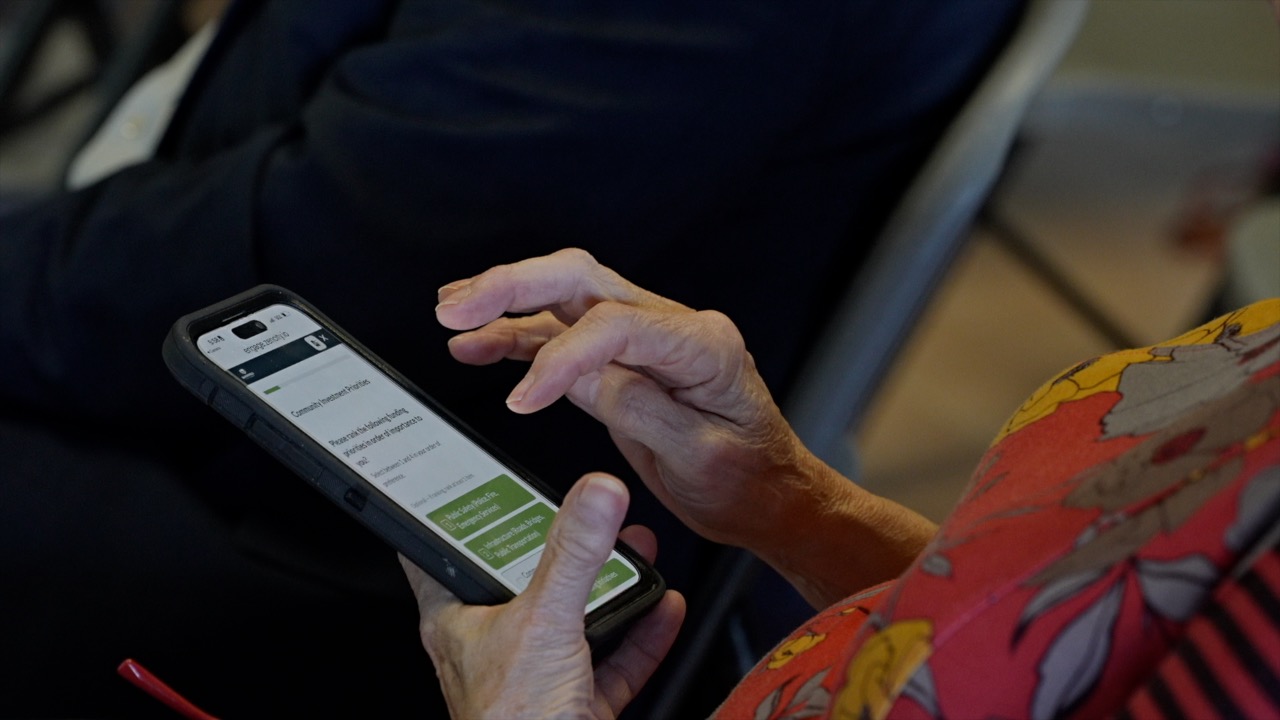


BAKERSFIELD, Calif. (KERO) — The City of Bakersfield will soon be deciding how it will spend hundreds of millions of your tax dollars in its new budget. Tuesday evening, city residents spoke out about this.
The meeting comes as city officials begin shaping the upcoming 2026–2027 fiscal year budget—deciding what gets funded, what gets cut, and what projects take priority. The proposed budget is expected to be around 900 million dollars. City leaders say the process is designed to be transparent and include community input before final decisions are made.
Residents brought a range of concerns—from basic city services to long-term infrastructure needs and how those projects will be paid for.
Larry Koman, Ward 5 City Councilman, says, “Our concern is, of course, we’re on a budget crunch, and so we need to be able to continue to save money. So knowing what people’s priorities are helps us identify areas we can conserve costs.”
Some residents raised concerns about public safety, the homeless community, infrastructure, and business opportunities.
Maryanne Radmacher, a local community member, says, “I genuinely believe that the more money we invest in gathering spaces and public art and public engagement, the more revenue the city will make and the number of criminal activities will go down.”
Rosa Lopez, another community member, said, “I want my tax dollars invested in the community—in youth programs, in parks, in workforce development, in affordable housing. I think that is the real need to really build a thriving community for all of us.”
Many residents say they’re looking for long-term solutions—including more funding for community resources and support services.
Councilmember Koman says balancing those requests with limited resources is one of the biggest challenges in building the budget—including where the money comes from and how it’s allocated. “There’s money that we generate within the city of Bakersfield—there’s taxes and fees. Then there are state programs and federal programs, so it’s a matter of where the money comes from. A lot of the time, we get money from the state to do a certain task, and then we go out and figure out how to best spend that money to accomplish the most we can.”
If you missed the meeting on Tuesday, there is still a chance for you to ask questions and state your concerns at the next interactive meeting on April 29th at 5:30 p.m. at Compassion Christian Church.
Stay in Touch with Us Anytime, Anywhere: