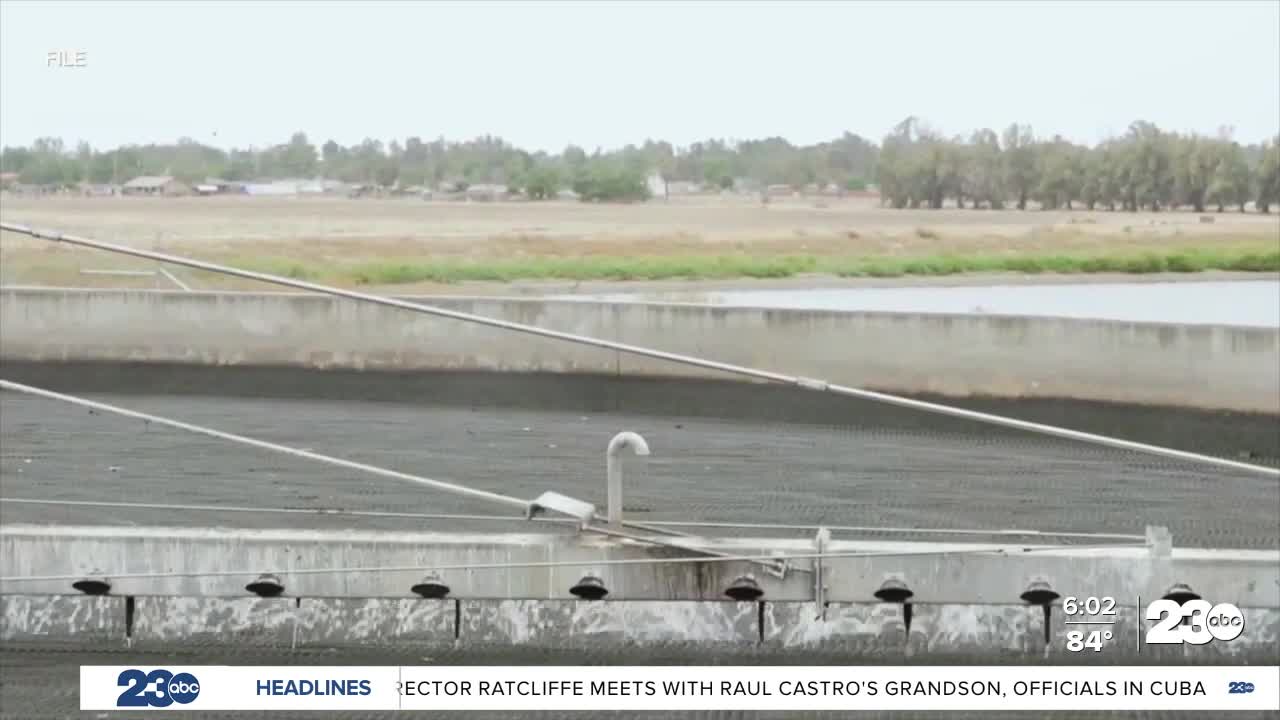

BAKERSFIELD, Calif. (KERO) — Wednesday night’s Bakersfield City Council meeting brought more questions than answers regarding the city’s proposed sewer rate increases.
City Manager Christian Clegg said the increase is necessary because the city has not collected enough revenue to maintain and replace aging sewer infrastructure.
“It’s simply a fact that we have not been getting enough money and all the funds that have come into sewer system have been spent on sewer its just insufficient to meet our ongoing maintenance and replacement needs,” Clegg said.
The original proposal called for a nearly 300% increase over five years, raising the annual sewer bill from $247 to $875 — an increase of more than $600.
The proposal sparked backlash from residents during Wednesday’s meeting, with dozens speaking out against the potential financial burden on working families.
“There has to be a better way to not be so astronomically high and hit us with this when everything else is happening,” one resident said during public comment.
Another speaker warned the increase could severely impact renters and homeowners alike. “This is going to be something they can’t afford, it’s going to break their backs so they’ll have to either sell or just lose their homes because they won’t be able to afford it. That’s what I’m saying, think about the renters."
Council member Andrae Gonzalez moved to delay the vote until May 27 to allow time to explore additional options, including a proposal from wastewater rate attorney Claire Collins, who represents Kern County.
Collins suggested the city consider bond financing to reduce the immediate impact on ratepayers.
“I know that your council has historically shied away from bonds financing but if there was ever a time to do it, this is the time,” Collins said. “You can be heroes in terms of ensuring more rate affordability by having a more modest 20%-36% rate increase and still achieve your infrastructure goals.”
Michael Turnipseed, Executive Director of the Kern County Taxpayers Association, also supported the bond financing idea, arguing it could help stabilize rates over time.
“If you construct your bond properly the payment year one and the payment year 30 are the same,” Turnipseed said. “It might be a little more painful up front, but it’s certainly not the pain that the city was coming out with this $600, $700, $800 a month.”
City officials pushed back on the proposal, arguing bonds may not provide a sustainable long-term solution.
“We cannot keep going out to the public and saying we need more money more money more money then say oh wait a minute we forgot about this back here so now we need more money,” Council member Ken Weir said.
For now, questions remain about how the city will fund sewer system upgrades without placing additional strain on residents.
If the council is unable to take action on May 27 — or if a full council is not present — the decision could be pushed to a future meeting.
Stay in Touch with Us Anytime, Anywhere: