



BAKERSFIELD, Calif. (KERO) — California voters will decide Nov. 3, 2026, on Proposition 1, an $11.25 billion housing bond that could expand affordable housing options across the state — and in Kern County, where local providers say demand is already outpacing supply, families have been waiting for years for a place to call home.
Donnie Singleton applied for low-income housing in 2019. Seven years later, she and her daughter still don't have a stable home. When her husband was killed four years ago, they were left without shelter. Now, they rotate between staying at a friend's home and her fiancé's. She says about $800 a month is what she could afford for a suitable two-bedroom apartment, and the uncertainty weighs on her every single day.
"My kid wanted a place to call home, a bedroom of her own. We didn't have that."
Singleton said.
"I stress and I worry over things that I shouldn't have to, like where are my kids gonna sleep at and what are we gonna do for the night?," Singleton said.
The need for affordable housing in Kern County is growing faster than local providers can keep up with. Rebecca Moreno, CAPK's housing director, says the numbers tell a story.
"For every one person that we're housing, three more people are coming into the system."
Moreno said.
If passed, Prop. 1 would authorize $10 billion toward housing programs, including affordable rentals, homeownership assistance, supportive housing, and preservation of existing affordable housing. An additional $1.25 billion would fund CalVet home loans for veterans.
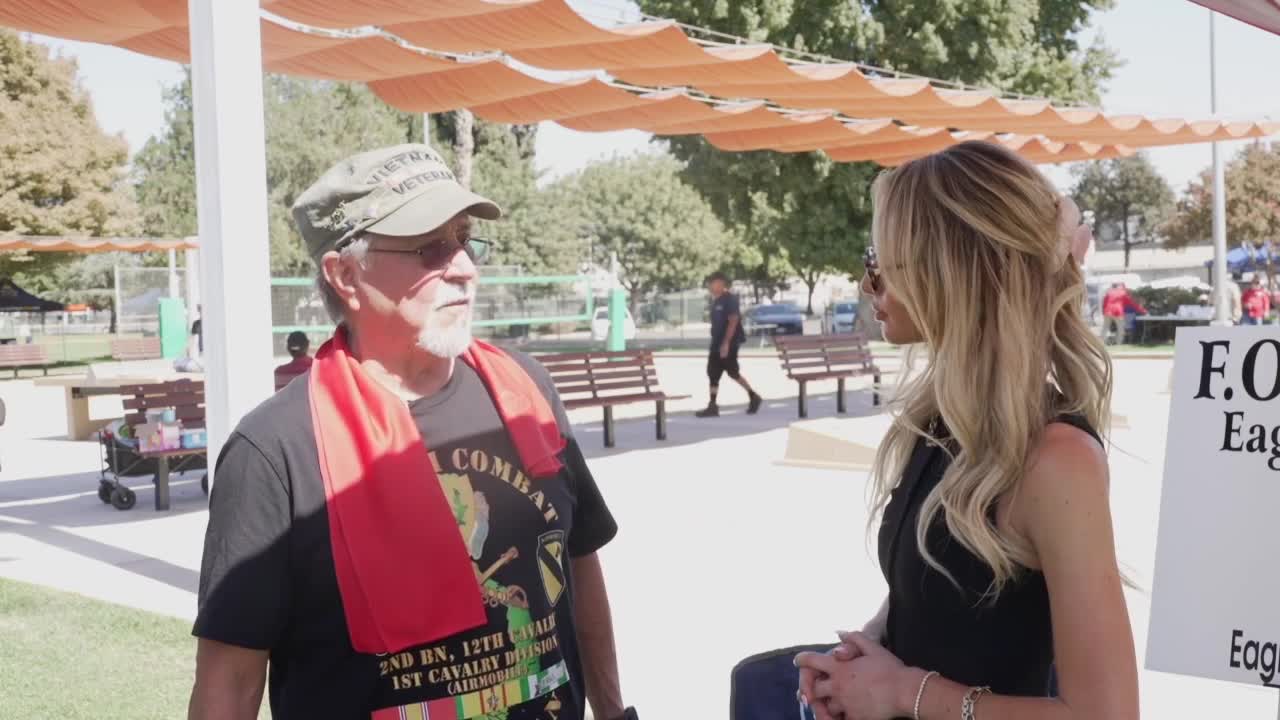
Vietnam veteran Robert Sanchez knows firsthand the value of a CalVet loan. He used one to purchase a Bakersfield home in 1977.
"It was really good, so it made it affordable for us to get into the new house," Sanchez said.
The state estimates the $10 billion housing portion of the bond would cost $500 million to $600 million a year for about 25 years to repay. Some Republican lawmakers argue the measure doesn't address the underlying cost of building housing and criticized the bill for using veterans to drive up support while actually doing little to serve them.
Still, Prop. 1 has earned broad support. Backers include US Vets, the California Federation of Teachers, Self-Help for the Elderly, Habitat for Humanity California, and the California Alliance of Child & Family Services. No formal argument against the measure was submitted.
What your vote means:
- YES: The state could borrow $11.25 billion to support veterans and affordable housing.
- NO: The state could not borrow $11.25 billion to support veterans and affordable housing.
Local organizations like CAPK could potentially apply for state funding by mid-to-late 2027 if the measure passes. CAPK says it would consider partnering on future projects if Prop. 1 is approved. However, the measure does not reserve a specific amount for Kern County, meaning local impact will depend on which projects receive state funding.
For Singleton, the vote is about more than policy — it's about finding a safe and stable place for her family.
"Just remember there's families out here that has nothing and no one. We don't even have any family here. We're here alone."
Voters will decide Nov. 3, 2026.
Stay in Touch with Us Anytime, Anywhere:
