

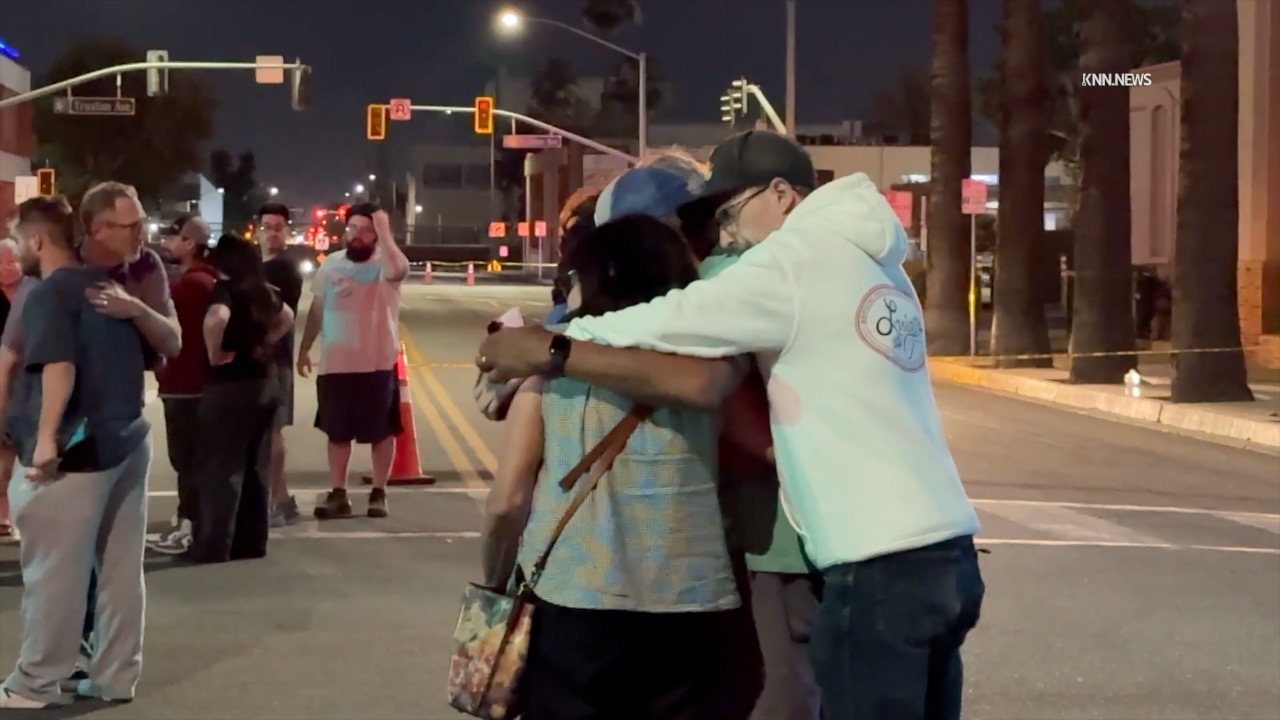


BAKERSFIELD, Calif. (KERO) — Following the bomb threat and hours-long standoff at a downtown Bakersfield Chase Bank, many are focused on the investigation. But for those who experienced the event firsthand, the emotional effects can last long after the incident ends.
For many people, the effects of a traumatic event don't end when the immediate danger is over. Trauma counselors say people who experience or witness a crisis may continue to feel the emotional impact for days, weeks, or even longer after the event.
Artisamae Moten is the Clinical Director at Awakened Consulting, and she says, "It's not a question of if they will experience PTSD symptoms. It may not show up fully right now because the shock is still there. As that wears off, they may begin noticing symptoms that seem off but aren't necessarily connected back to the event. There's also secondary trauma that can affect friends and family members."
Counselors say those impacted may experience stress, anxiety, difficulty sleeping, trouble concentrating, or feelings of fear in the days and weeks following a traumatic event.
Sherry Rose is the Executive Founder, Director & Counselor, at Wellspring she says, "Intrusive thoughts, intrusive memories, flashbacks, the inability to redirect your thinking away from that situation, sleep disruptions, appetite disruptions, challenges in emotional regulation, and the inability to remain present in situations."
Counselors emphasize that these reactions are often normal responses to an abnormal situation, but support is available for those who need it. And for friends and family members looking to help, Sherry Rose says sometimes the best support is simply being present.
"I can tell you what they do need, and that's for you to sit with them, breathe with them, be patient, and help keep some normalcy in their life. It's going to take some time for this trauma to settle and for them to understand what it means to them and how it impacts their lives," Rose said.
Counselors say recovery begins with taking care of yourself both mentally and physically. They recommend focusing on breathing and regulating your emotions before trying to process everything that happened. They also encourage getting plenty of rest, staying hydrated, and giving yourself grace as you work through the experience.
"The first thing to understand is that it's okay to not be okay. The important thing to remember is that you're not alone. There is support through Kern Behavioral Health, through employee assistance programs at work, through your family, your church family, and community support groups. Reach out, because you don't have to go through this alone," Moten said.
They say it's also important to remember that putting your own well-being first is not selfish, it's part of the healing process.
If you or someone you know is having difficulty coping after a traumatic event, mental health professionals encourage reaching out for support.
The Suicide and Crisis Lifeline 988
Kern County Behavioral Health & Recovery Services
Kern County Mental Health Facilities
Kern County Sheriff's Department [kernsheriff.org]
Stay in Touch with Us Anytime, Anywhere:
