

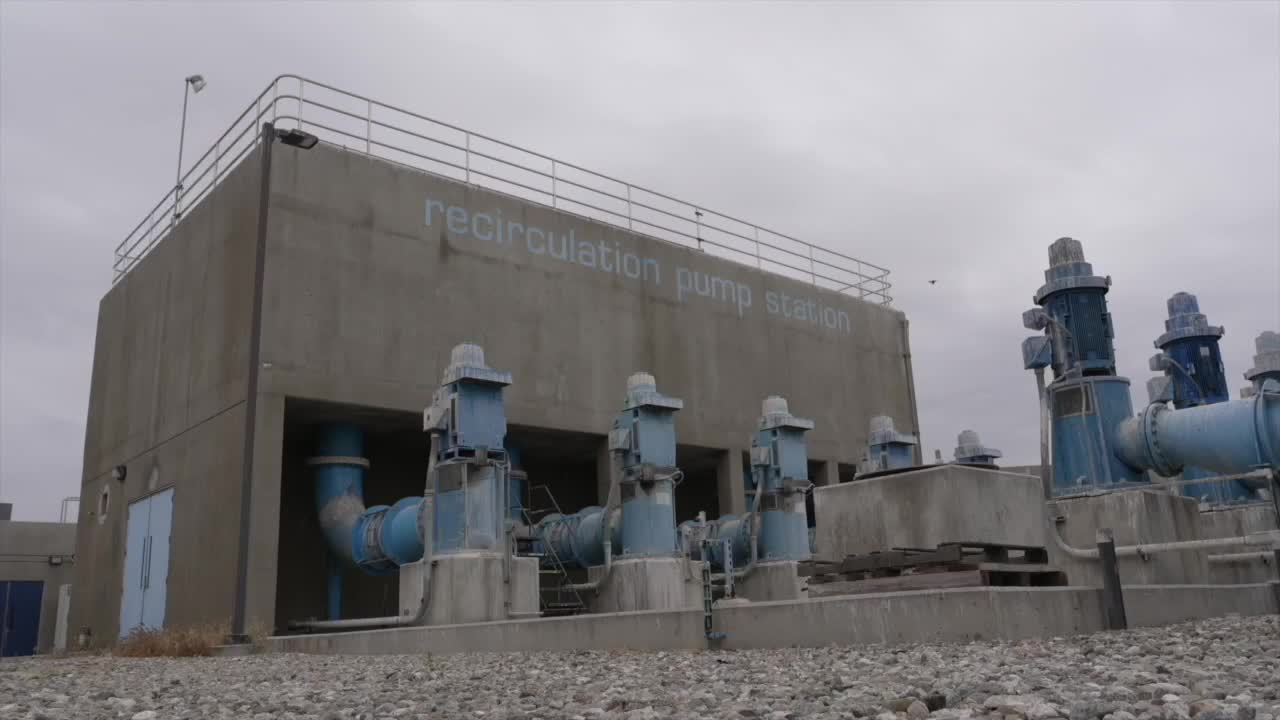


BAKERSFIELD, Calif. (KERO) — The Bakersfield City Council voted to send additional notices to residents regarding a proposed increase in sewer rates, advancing a contentious debate over the city's wastewater system.
City officials say the increase is necessary. But a former city manager is pushing back, questioning both the analysis and the process.
Current City Manager Christian Clegg told council members the city is now facing the consequences of keeping rates relatively low for decades.
“The challenge is, it wasn’t just for one or two years. It’s been for 10 and 20 years, lower rates, that now we have got to catch up,” Clegg said during the meeting Wednesday.
Clegg said Bakersfield residents have benefited from comparatively low sewer rates over the past decade, but inflation and mounting operational expenses have increased the cost of maintaining wastewater facilities.
“We genuinely have had much higher inflationary rates than I think anyone expected five years ago or 10 years ago,” he said.
According to Clegg, the city did not set aside enough funding over the last 30 years to adequately prepare for future capital needs, leading to a growing gap between revenue and infrastructure demands.
However, former City Manager Alan Tandy, who served in the role for 27 years before retiring six years ago, disputed that characterization in a written statement.
“During my tenure rates were generally increased annually to cover both operating and capital needs,” Tandy wrote.
Tandy continued stating that when Wastewater Treatment Plant 3 was built in 1998, rates were increased in annual steps to recover the money necessary to pay off the bonds that were issued to finance the construction. Rates were studied annually and the city council acted on them in parallel with the annual City budget, according to Tandy.
“In my opinion the City, after my departure, did not maintain a staff with adequate experience in plant maintenance, rate setting and related," he stated. "Now those who do not know what they are doing want to blame those who went before. The report that was prepared for City Council on this subject was not competently prepared.”
In response, Clegg defended the city’s analysis, saying officials have spent the past year reviewing and validating the data.
“The city has spent the last 12 months double and triple checking our work to ensure the council members have the best available as they make their decisions,” Clegg said in a statement. “Three different consultant teams have validated the same information. These engineers and analysts have completed hundreds of projects like these across the state and the country.”
Meanwhile, Kern County officials criticized the city’s decision to send out Proposition 218 notices, calling it premature because an engineer’s report has not yet been made available to the public or other interested stakeholders. In a Feb. 11 letter, County officials urged the city to delay action, questioning a reported $500 million to $600 million plant improvement costs and raised concerns that combining two separate sewer systems could unfairly shift costs onto some residents.
Clegg said the city has thoroughly considered its options and that outside experts have confirmed the assessment of the city’s internal team.
Councilman Ken Weir was among the only members who voted against moving forward with the proposal, saying he was hesitant about the city’s plan.
The proposed rate increase now heads into the formal notice and protest period outlined under Proposition 218, during which property owners can submit written objections before the council takes final action.
Stay in Touch with Us Anytime, Anywhere:
