

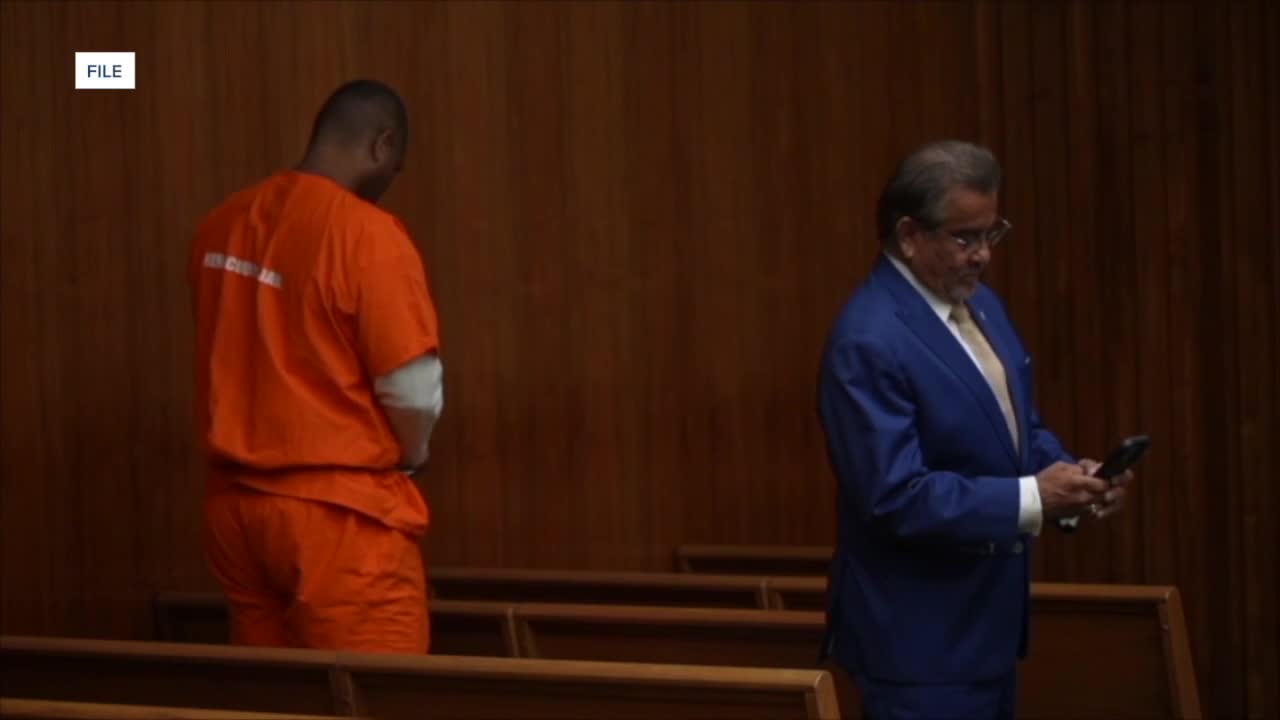



BAKERSFIELD, Calif. (KERO) — Former Cal State Bakersfield basketball coach Kevin Mays was sentenced to 4 years in state prison in July on charges of pimping, drug possession with a firearm, and possession of child pornography. But his attorney expects him to be out of state prison within a year.
So how does that work?
Of the 4 years — or 1,460 days — Mays was sentenced to, he received credit for 660 days. Half of that credit is for time spent in custody during court proceedings. The other half comes from what are known as good work and behavior credits.
Under state law, time served in county custody is calculated in four-day increments. If a person in custody follows the rules, completes their assignments, and maintains good behavior, they are eligible for a 2-for-1 credit scenario, where one day served counts as two.
Once Mays enters the state prison system, a parole eligibility date will be established. It remains unclear exactly how long he will serve.
The California Department of Corrections and Rehabilitation was contacted for an interview on this topic late Friday and again Tuesday morning, but was unable to accommodate an interview. However, answers were provided regarding state prison credits and parole.
Proposition 57, approved by voters in 2016, outlines several ways eligible prisoners can earn credit against their sentence. Those include full-time work, education or training assignments, conservation camp work, and milestone credits for completing rehabilitative and educational programs.
Prop 57 also creates a parole pathway for non-violent offenders who have served the full term of their primary offense. Eligible non-violent inmates can apply for release into a post-release supervision or probationary program after the Board of Parole determines whether the person poses a threat to the community they would be released into.
Violent offenders and those sentenced to life without parole are not eligible under Prop 57.
Stay in Touch with Us Anytime, Anywhere:
