

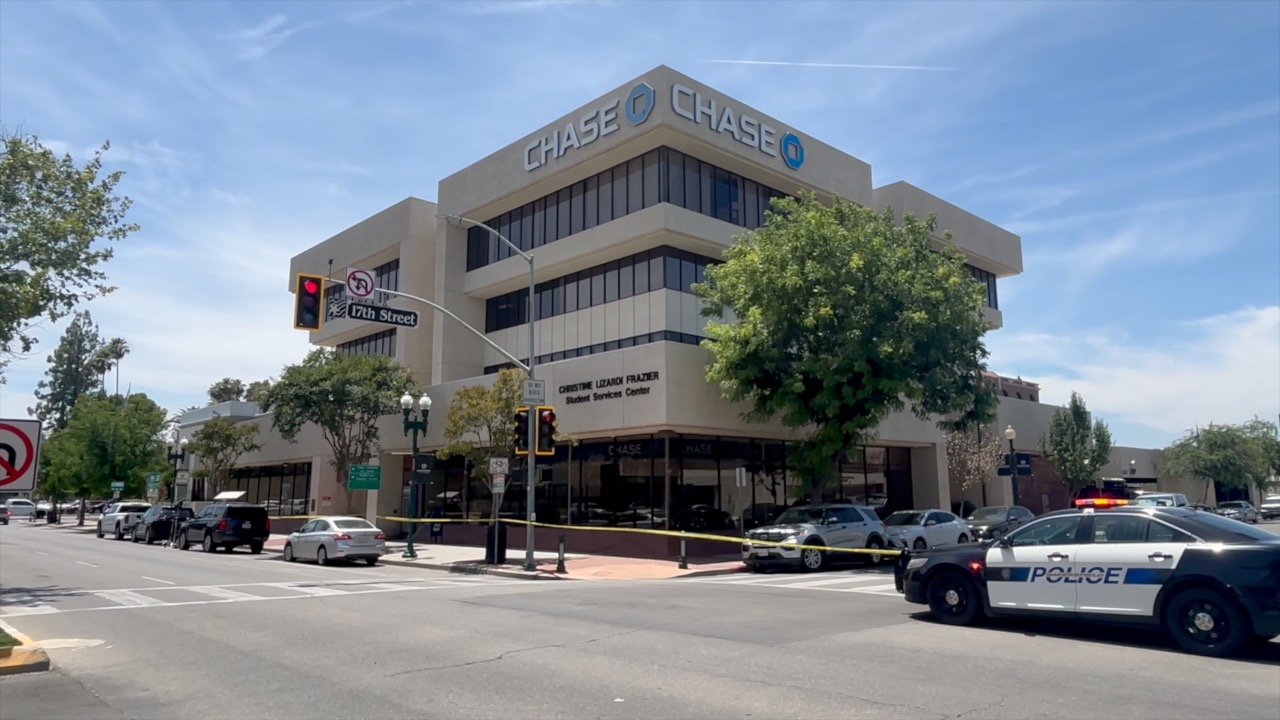


BAKERSFIELD, Calif. (KERO) — After a bomb threat rocked the Chase Bank in downtown Bakersfield, we turned to crisis negotiation experts to uncover what really unfolds behind the scenes—and why some standoffs stretch on for hours.
When every second counts and lives hang in the balance, a skilled crisis negotiation team isn’t just important—it can be the decisive factor between heartbreak and hope, disaster and survival.
While the investigation continues, experts stress that crisis negotiations are rarely fast, often stretching for hours or longer, because the goal is simple: get everyone out safely.
Dr. Tommy Tunson is a Professor of Criminal Justice at Bakersfield College & Retired Police Chief. He says, "Make sure that they keep that person calm, that they stay engaged, and they keep interacting on a positive note. Establish rapport with that person so they feel comfortable talking to you. The longer and more comfortable they are, the more likely you are to keep tensions down in any type of hostage crisis situation."
Negotiators take a calculated and methodical approach, building trust, gathering critical information, and keeping communication open in an effort to de-escalate the situation and reach a peaceful resolution.
Sid Patel, an FBI Special Agent, says, "We refer to them as the Hostage Rescue Team, or HRT. The FBI's HRT has extensive training and experience in crisis response and has been deployed to situations like this across the country and, on some occasions, internationally. We're grateful for their quick response."
Dr. Tunson says successful negotiators need what he calls "the gift of gab"—the ability to connect with people and keep the conversation going. "Generally, we have all the time in the world to establish that rapport. We're not going to rush into anything. People's lives are at stake, people's livelihoods are at stake, and every person is important. So we have time." Dr. Tunson said.
Dr. Tunson added tips on what someone should do if they find themselves in a hostage or crisis situation. He says one of the most important things is maintaining situational awareness, knowing where exits, windows, and other possible escape routes are located. He also recommends keeping your cell phone silenced and out of sight. "Know what's going on. Know who's who. Keep your eyes and ears open at all times. Keep your head on a swivel, but don't overreact."
Dr. Tunson also praised the response from the Bakersfield Police Department, the FBI, and other agencies that responded on Tuesday, saying their actions helped protect the community and prevent the situation from escalating.
Experts say every situation is different, but the primary goal remains the same: protecting lives and resolving the incident as safely as possible.
This case remains under investigation.
Stay in Touch with Us Anytime, Anywhere:
