

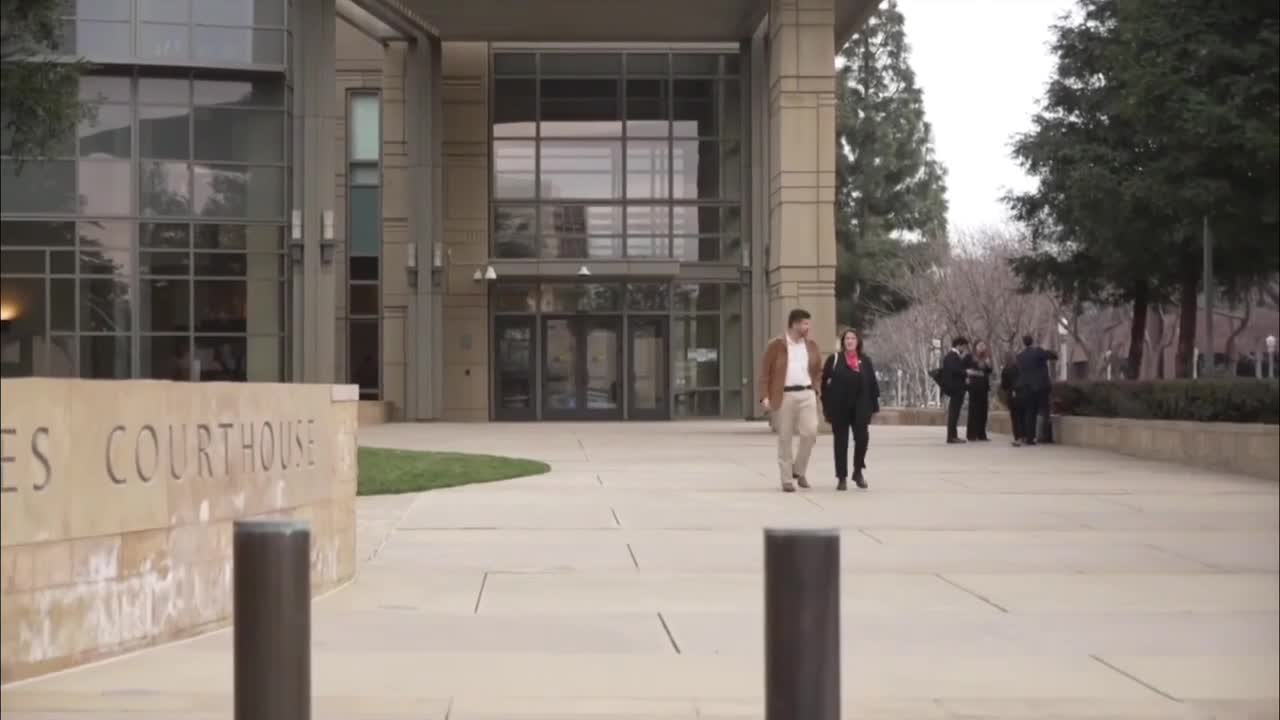


FRESNO, Calif. (KERO) — A federal court in Fresno heard arguments regarding whether Border Patrol has complied with a preliminary injunction stemming from a lawsuit over the agency's activities during Operation "Return to Sender" in Kern County last year.
Attorneys for the United Farm Workers filed a motion arguing that Border Patrol failed to meet requirements set by the court injunction, specifically regarding documentation of stops and arrests during a July incident at a Home Depot in Sacramento.
"If they have evidence that someone is in the country unlawfully and they know that that person is here in violation of an immigration law, nothing in the preliminary injunction stops them from doing that kind of targeted arrest. But they cannot do sweeps. They cannot grab people because they're brown," said Bree Bernwanger, senior staff attorney with the ACLU of Northern California.
The injunction, issued in April, requires Border Patrol to comply with specific standards including increased documentation of stops and arrests as well as updated training practices. The United Farm Workers Foundation sued the agency, arguing its tactics in Kern County violated Fourth Amendment rights by allegedly basing stops and arrests on discriminatory factors such as race.
Nearly 10 months after the injunction was put in place, UFW attorneys argued Border Patrol failed to properly document stops and arrests during the Sacramento incident, which is required under the court order.
"The way Border Patrol conducted this raid is that they assumed that there would be undocumented people at Home Depot, based on no evidence but a hunch, and their tactic, their strategy was to jump out of Van at people, either in full military garb or with no markings at all, see who runs and grab them," Bernwanger said.
Border Patrol attorneys argued that each arrest was documented and claimed this met the requirements set by the court.
During the hearing, the judge reviewed arrest reports and video footage from the Sacramento incident. The judge noted it was difficult to determine which individual report corresponded to which arrest seen in the video, arguing that the documentation was not individualized as required by the injunction.
"Instead, somebody, I don't know who, wrote a script of what happened on July 17th, and then they copied and pasted it 10 or 11 times so that none of the individualized details are there, which is what the preliminary injunction required," said Jason George, an attorney with Keker Van Nest & Peters.
It remains unclear when the judge will deliver a ruling on the motion. The decision should not affect the overall lawsuit against Border Patrol.
Stay in Touch with Us Anytime, Anywhere:
