



BAKERSFIELD, Calif. (KERO) — For Californians facing a civil legal issue, not being able to afford an attorney can mean navigating the court system on their own.
In Kern County, Greater Bakersfield Legal Assistance says that challenge is compounded by a shortage of attorneys and growing demand for free legal services.
GBLA describes Kern County as a "legal desert," with just 0.9 attorneys for every 1,000 residents. The organization says it receives between 500 and 700 calls each week and its caseload increased 41% from 2022 to 2025.
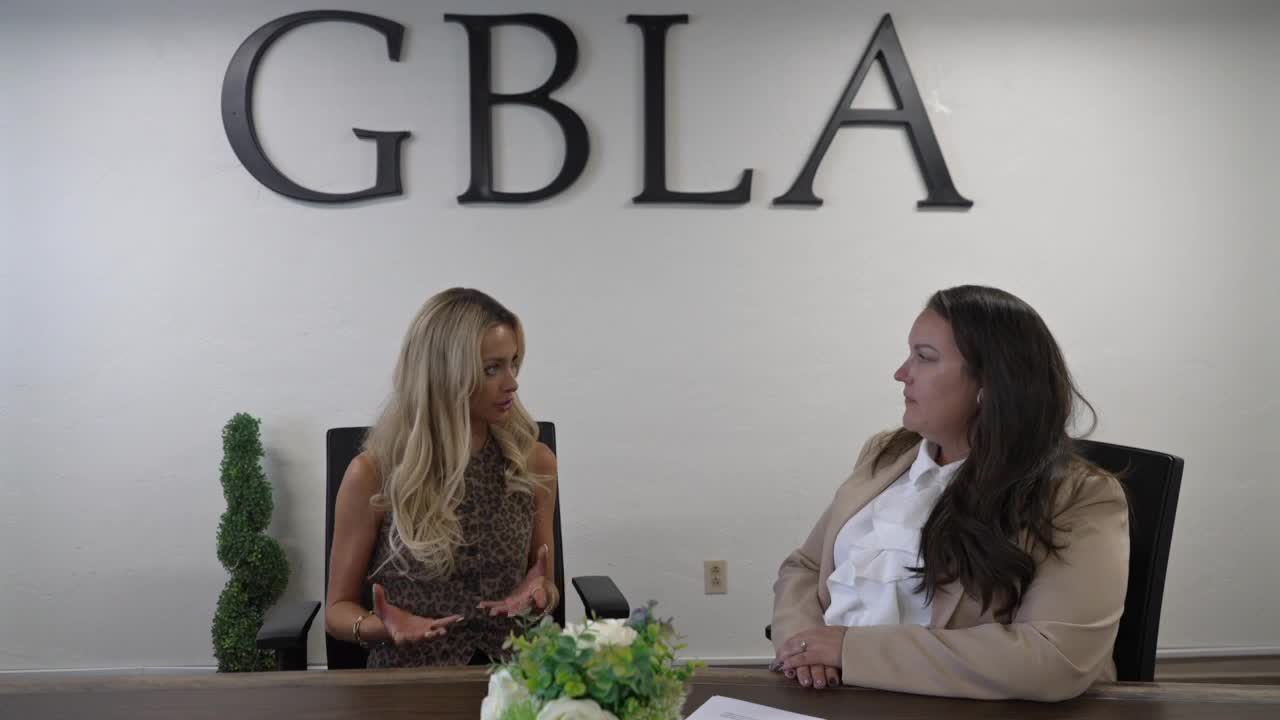
Kassie Mullican, director of community development at GBLA, said representing yourself in a civil legal matter can require figuring out where and when to file paperwork, how to respond to objections, navigating discovery and potentially preparing for a hearing or trial.
"There are more calls coming in for these types of services than we're able to provide assistance for because of a lack of capacity, a lack of funding, and ultimately a shortage of attorneys," Mullican said.
GBLA provides free civil legal services to qualifying low-income residents of Kern County, as well as services for seniors and people who qualify through certain specialized programs.
For Mehru Khan, the need for that assistance became personal years ago.
Khan said she was experiencing domestic violence and could not afford to hire a private attorney when she was referred to GBLA for help. She said the organization helped her obtain a restraining order and better understand her legal rights as a mother.
"Had it not been for their attorney and their pro bono services, I would not have got anything done," Khan said.
Today, Khan has returned to GBLA — this time as an intern. She said she hopes to eventually become an attorney and help others navigate situations similar to the one she once faced.
Her experience comes as California considers a proposal aimed at expanding who can provide certain types of legal help.
Under proposed California Rule of Court 9.45.1, trained non-attorneys known as community justice workers could provide free, limited legal services through approved legal services organizations. Those organizations would be responsible for training and supervising the workers and would assume professional responsibility for their work.
Under the proposed rule, community justice workers would not become licensed attorneys. Their work would be limited to an approved scope of practice and performed under the supervision of an authorized legal services organization.
The California Supreme Court directed the State Bar in June to seek public comment on the proposed program. That comment period closed Aug. 22. The court directed the State Bar to then consider whether to recommend adopting the proposed rule, recommend it with changes or make other recommendations.
For Khan, the possibility of expanding access to trained legal help raises the question of what knowing her rights earlier could have meant in her own life.
"I would have literally got out — not after 20 years," Khan said. "I would have got out a lot earlier."
GBLA says it is already working to address the local justice gap through efforts including its volunteer attorney program, which recruits private attorneys to provide pro bono assistance for cases the organization cannot handle internally.
Mullican said expanding resources and increasing the number of attorneys willing to provide pro bono services locally will remain important as demand for civil legal help continues.
The proposed community justice worker program has not been approved, and community justice workers cannot begin providing services under the proposed rule unless it is adopted.
Stay in Touch with Us Anytime, Anywhere:
