

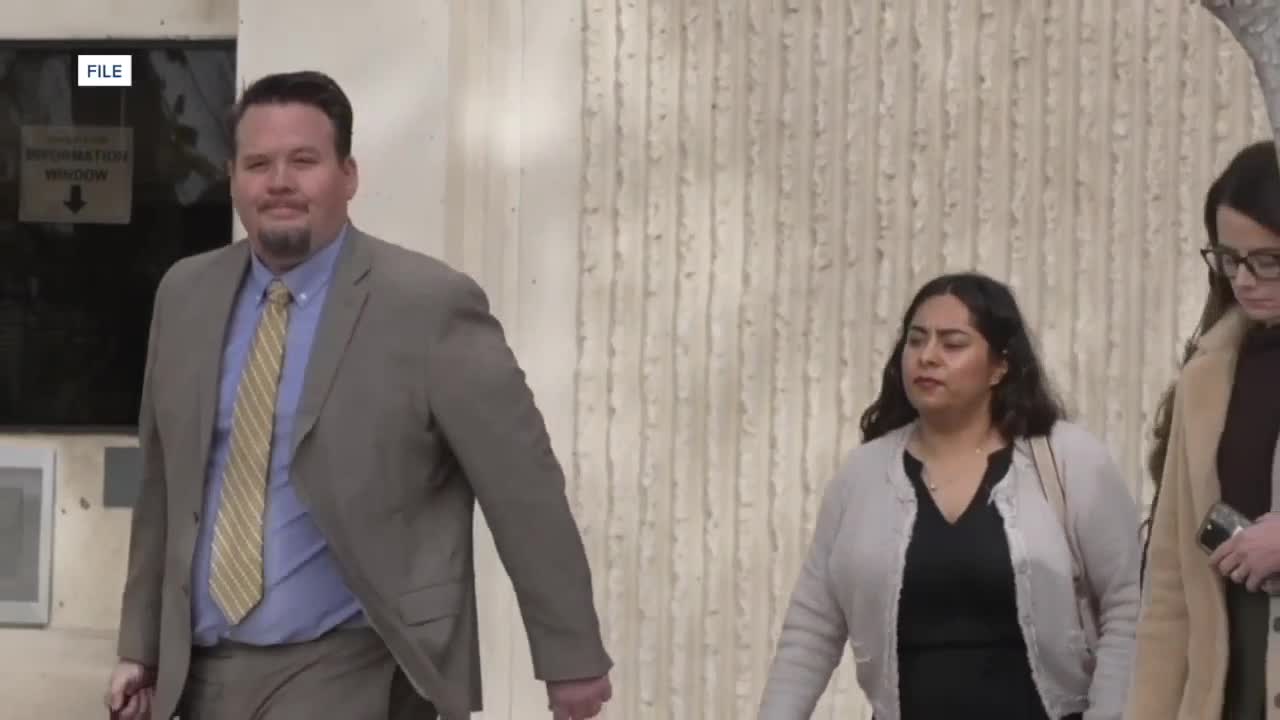


BAKERSFIELD, Calif. (KERO) — Former Kern County Supervisor Zack Scrivner returned to court this week for his first progress hearing after a judge granted him mental health diversion in a criminal case involving allegations of child sexual abuse.
The hearing comes amid growing calls from members of the public and local and state leaders for changes not only to Scrivner’s case, but to California’s mental health diversion laws more broadly.
Following the ruling that allowed Scrivner to enter the diversion program, a public petition was launched seeking to appeal the decision. The petition, which has garnered more than 3,000 signatures, argues that the nature of the allegations should have disqualified Scrivner from receiving diversion.
Legal experts, however, say the ability to appeal a mental health diversion ruling does not rest with public petitions or lawmakers.
“Any appeal would rest with the prosecuting agency — in this case, the Attorney General’s Office,” said Alekxia Torres-Stallings, managing partner at Torres | Torres Stallings, A Law Corporation.
Torres-Stallings explained that prosecutors have multiple opportunities to oppose a mental health diversion request when it is first filed.
“When the defense files a mental health diversion motion, the prosecution has opportunities to oppose it by filing their own papers, retaining experts, and presenting oral argument,” she said. “Procedurally, that would have been the time for the Attorney General’s Office to object.”
In this case, the California Department of Justice is serving as the prosecuting agency rather than the Kern County District Attorney’s Office.
While an appeal is not currently pending, Torres-Stallings said prosecutors could theoretically challenge the ruling at a later stage.
“Hypothetically, the next appropriate time to appeal would be at the conclusion of the diversion process,” she said, noting that mental health diversion cases can span a lengthy period.
As part of the diversion program, Scrivner is required to provide the court with regular updates on his treatment and compliance, including participation in counseling and drug testing. The court will continue to hold periodic progress hearings throughout the diversion period.
Although an appeal may not materialize, the case has prompted a legislative response. Assemblywoman Dr. Jasmeet Bains and Sen. Shannon Grove have both criticized the ruling and said they plan to introduce legislation aimed at preventing cases involving similar allegations from qualifying for mental health diversion in the future.
Torres-Stallings cautioned that any changes to the law would not automatically affect Scrivner’s case.
“That’s a significant legal question,” she said. “For legislation to apply retroactively, lawmakers must clearly state that intent. Otherwise, changes generally apply moving forward and can take a long time to litigate.”
23ABC News reached out to the California Department of Justice to ask whether prosecutors plan to appeal the ruling. As of publication, the DOJ had not responded.
Stay in Touch with Us Anytime, Anywhere:
