

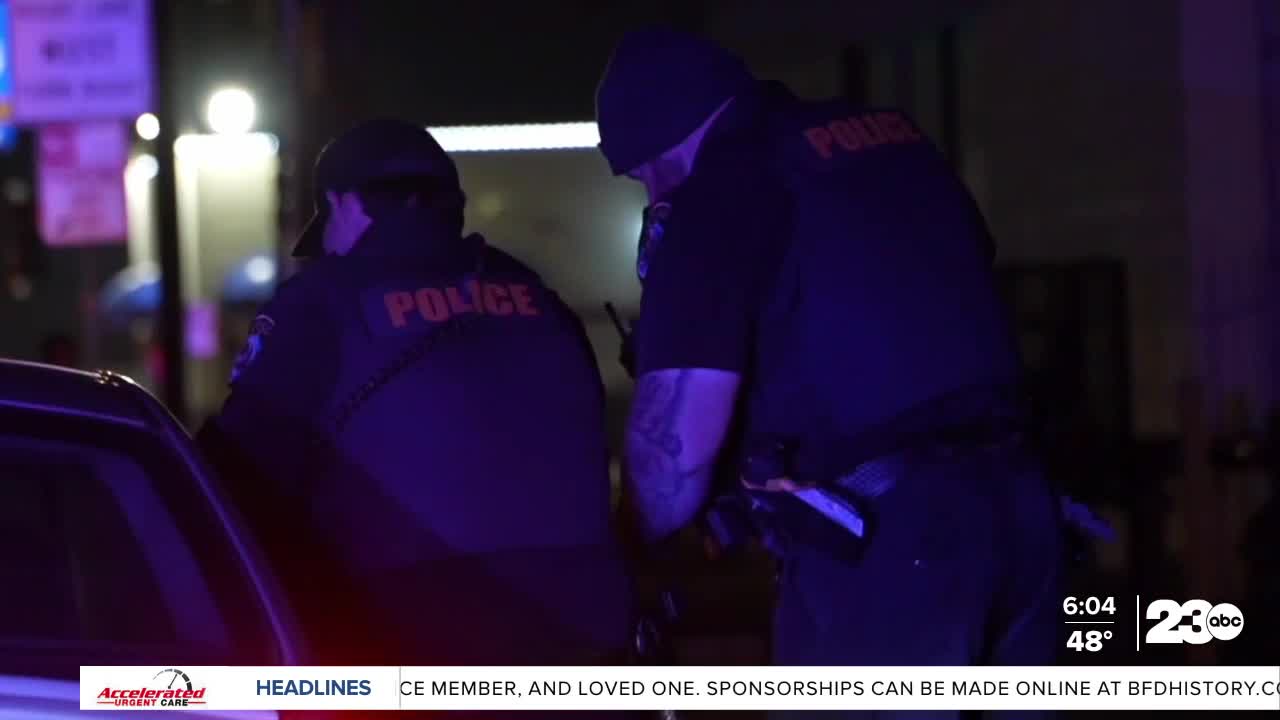


BAKERSFIELD, Calif. (KERO) — A newly released monitoring report is raising alarms about misconduct trends inside the Bakersfield Police Department, showing that a small group of officers is responsible for a disproportionately large share of complaints.
In 2024, just 18 officers roughly 9% of the force accounted for 26.1% of all misconduct complaints. That number is up from 14 officers the previous year. Even more striking: one officer received 12 complaints alone, double the highest individual total recorded in 2023.
Serious Misconduct on the Rise
The report documents a notable shift in the types of allegations being filed. Lower-level complaints such as discourtesy dropped by nearly half, while more serious accusations surged:
- Dishonesty: 2% → 8.3%
- Use of Force: 7.1% → 10.3%
- Criminal Conduct: 1.6% → 4.3%
Tiffany a member of the independent monitoring team overseeing compliance, emphasized that these trends require immediate attention.
Oversight Under State Order
The Bakersfield Police Department has been under a stipulated judgment with the California Department of Justice following allegations of civil rights violations — including excessive force, unlawful stops, and improper supervision. As part of that agreement, the department must release an annual progress report.
Despite this requirement, the monitoring team noted a key compliance failure: BPD is still operating without a mandated personnel complaints policy.
Although the draft policy was cleared for public review months ago, the department has yet to submit it to the state Department of Justice for final approval.
Racial Disparities in Complaints
The report also highlights significant racial disparities in who is filing complaints.
- Black residents filed about one-third of all complaints, far exceeding their share of Bakersfield’s population.
- Hispanic residents — who make up more than half the city — were substantially underrepresented among complainants.
Improvements, but Persistent Delays
Not all findings were negative. The department made progress in speeding up investigations: cases that dragged on for more than a year dropped by 57%. Still, delays continue to undermine accountability. Some investigations expired under California’s statutory deadlines, making discipline legally impossible.
Another concern: “Not sustained” findings — cases where investigators couldn’t prove or disprove allegations — fell by nearly 70% in a single year. The monitoring team warns that such a drastic drop may signal problems in how investigations are being classified or conducted and calls for an immediate review.
What’s Next
The full monitoring report includes more than a dozen recommendations aimed at improving oversight, complaint handling, and community trust. Those documents, along with local resources, are available below.
Stay in Touch with Us Anytime, Anywhere:
