

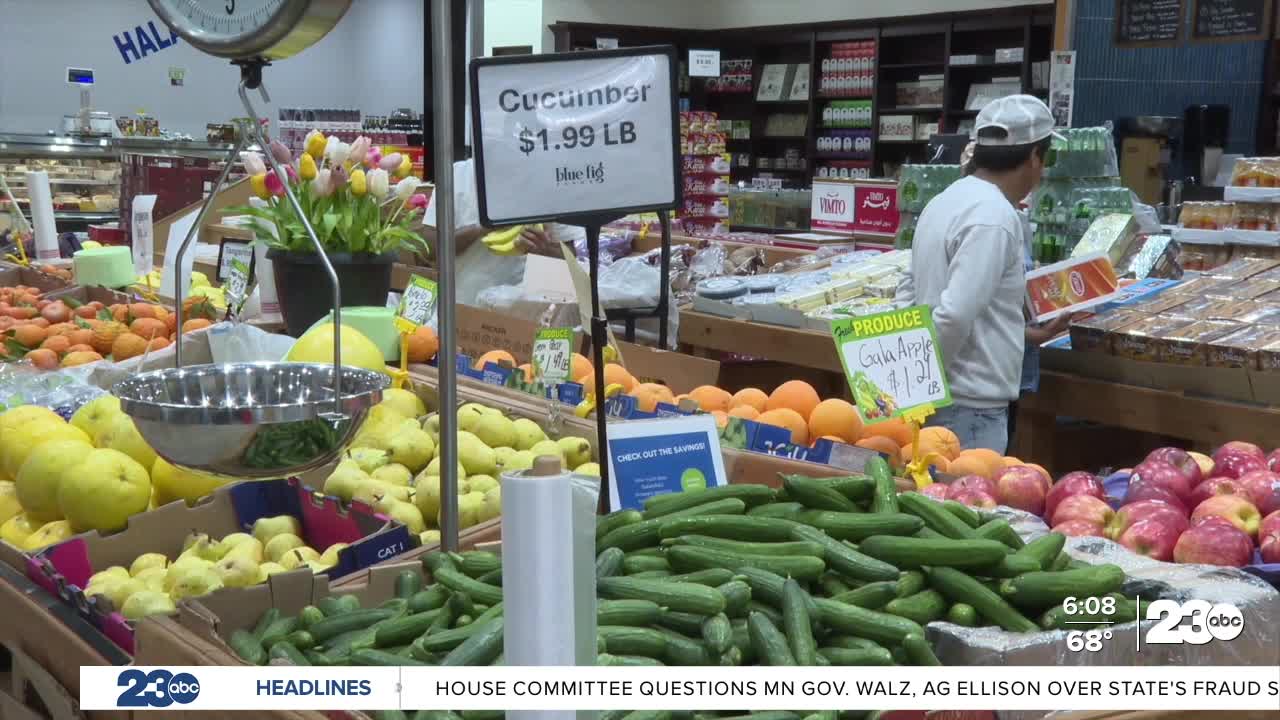


BAKERSFIELD, Calif. (KERO) — The ongoing violence in Mexico is starting to impact how Americans get some of their favorite grocery items including fresh produce.
For shoppers in California, where prices are already known to run high, the effects are becoming harder to ignore.
“I’ve been to Kansas, Florida, Texas spent time in other states too and California? It’s always the most expensive. No competition,” said Bakersfield shopper Paul Dalozag.
Like many customers, Dalozag says he’s constantly comparing prices between stores just to stretch his budget.
“Walmart might be cheaper than Albertsons… but sometimes Albertsons beats Walmart. So yeah, I’m basically on the apps playing grocery detective, trying to see who’s got the better deal,” he said.
And he’s not alone in doing math in the aisles.
Store owner Kahlid Mansour says rising costs are creeping onto his shelves, particularly for items imported from Mexico.
That means some customer favorites are now ringing up higher at checkout.
“We used to sell these for 79 cents a pound before the tariff law and everything going on in Mexico right now,” Mansour said, referring to popular produce items that have since increased in price.
Go-to staples like squash, cucumbers, tomatoes, and guava are among the items seeing a bump.
Experts say the price shifts are closely tied to supply chain disruptions.
According to Dr. Aaron Hedge, the United States relies heavily on Mexican imports for fresh produce.
“About 70% of our fresh tomatoes come from Mexico,” Hedge explained. “So if there’s disruption there, the supply chain is directly impacted, and that usually means higher prices since we rely heavily on those imports.”
While trade agreements generally protect fresh produce from tariffs, ongoing violence can still slow transportation and distribution.
Nearly 70% of U.S. vegetables and about half of its fruit come from Mexico, meaning even temporary disruptions can quickly show up at the checkout line.
“If the violence doesn’t continue long term, this could be temporary,” Hedge added. “Some stores might pass those costs on to shoppers others may try to absorb them.”
In the meantime, experts recommend shoppers look for ways to cut costs, such as buying frozen produce that lasts longer or substituting fresh items with canned or jarred options.
In other words, if fresh is stretching your budget, the freezer aisle might be your new best friend.
Until prices stabilize, shoppers like Dalozag say they’ll keep scrolling, comparing, and planning before heading to the checkout.
“Things are expensive right now,” he said. “So yeah, it’d be nice if food prices decided to go down for a change.”
Experts say the best way to save is simple: manage your budget and plan before you shop.
Stay in Touch with Us Anytime, Anywhere:
