


BAKERSFIELD, Calif. (KERO) —
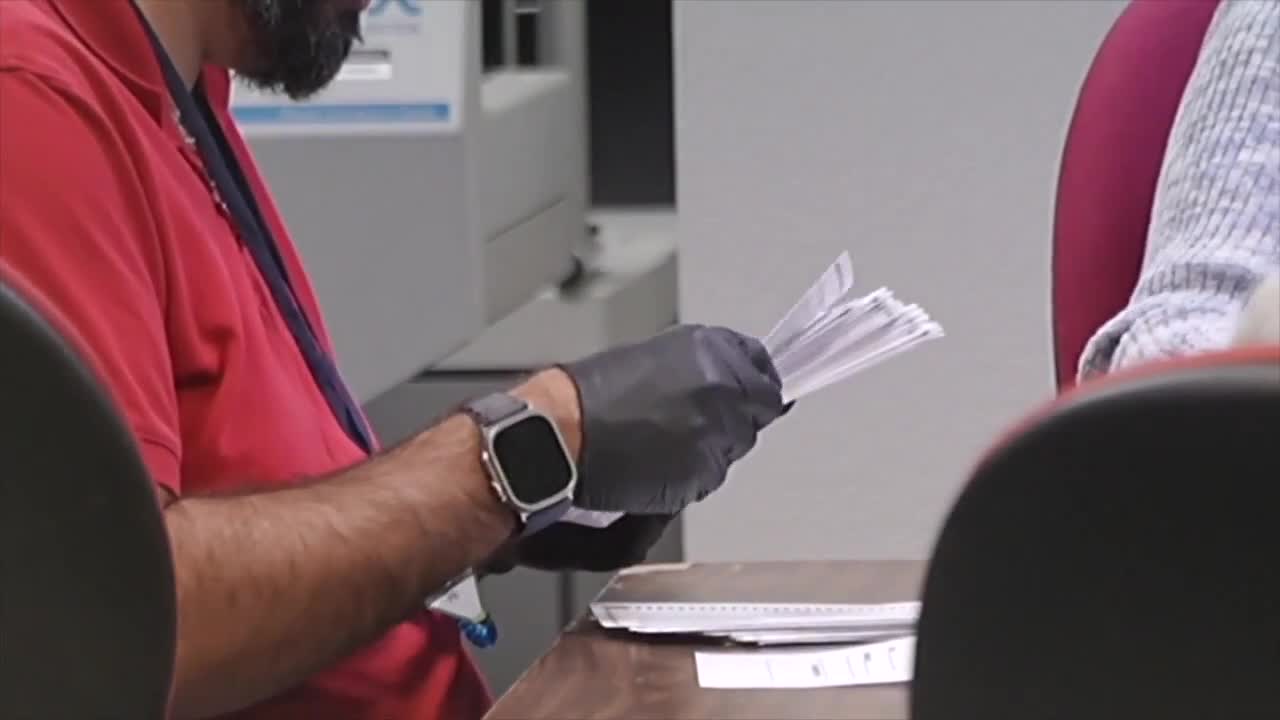
Congress is set to vote on Wednesday on a proposed bill that, among other things, would enforce strict voter eligibility verification. It’s a move supporters call essential for election integrity, and critics call overreach.
“So, at the core of this, it’s requiring Americans to provide documentation and proof of citizenship in order to register to vote in a federal election,” said Political science professor Ian Anderson.
Anderson says in a nutshell, the Safeguard American Voter Eligibility Act, or “SAVE Act,” is a way to strengthen voter security.
Initially introduced in January of 2025, the SAVE Act would mandate eligible photo ID before casting a ballot, require in-person proof of citizenship when registering to vote, and requires states to establish a program that regularly identifies individuals who are not U.S. citizens and remove them from existing voter rolls.
However, not everyone agrees. The League of Women voters in Bakersfield, opposes the measure.
Others say the bill imposes unnecessary barriers to the registration process, requiring voters to provide documentation that many don’t have.This includes married people who have changed their names, as well as young and elderly people are more likely to have difficulty in accessing these documents.
However with these potential updates, Anderson says the biggest struggle would be implementation — especially surrounding mail-in ballots.
“The challenge here is in California for example we have mail-in ballots so how are you going to reconcile this new ID requirement with this new piece of legislation?” said Anderson.
The House of Representatives will vote first on the measure, and if it passes, it then moves to the Senate. Should the bill ultimately pass both chambers, Anderson says we could see a major reduction in voting numbers.
“You know are we just potentially disenfranchising legitimate legal voters because we are putting undue documentation burden on them,” said Anderson.
A survey from the Brennan Center also shows 21.3 million people don’t have their proof of citizenship readily available and roughy 3.8 million don’t have the documents at all.
Stay in Touch with Us Anytime, Anywhere:
