



BAKERSFIELD, Calif. (KERO) — Kern County residents who live outside Bakersfield city limits may still be affected by the city’s proposed sewer rate increase, depending on where they live.
The Bakersfield City Council recently moved forward with sending out Proposition 218 notices for a proposed sewer rate increase covering 2026 through 2031.
While the proposal is driven by the city, Kern County First District Supervisor and Board Chairman Philip Peters said the impact may not stop at city boundaries.
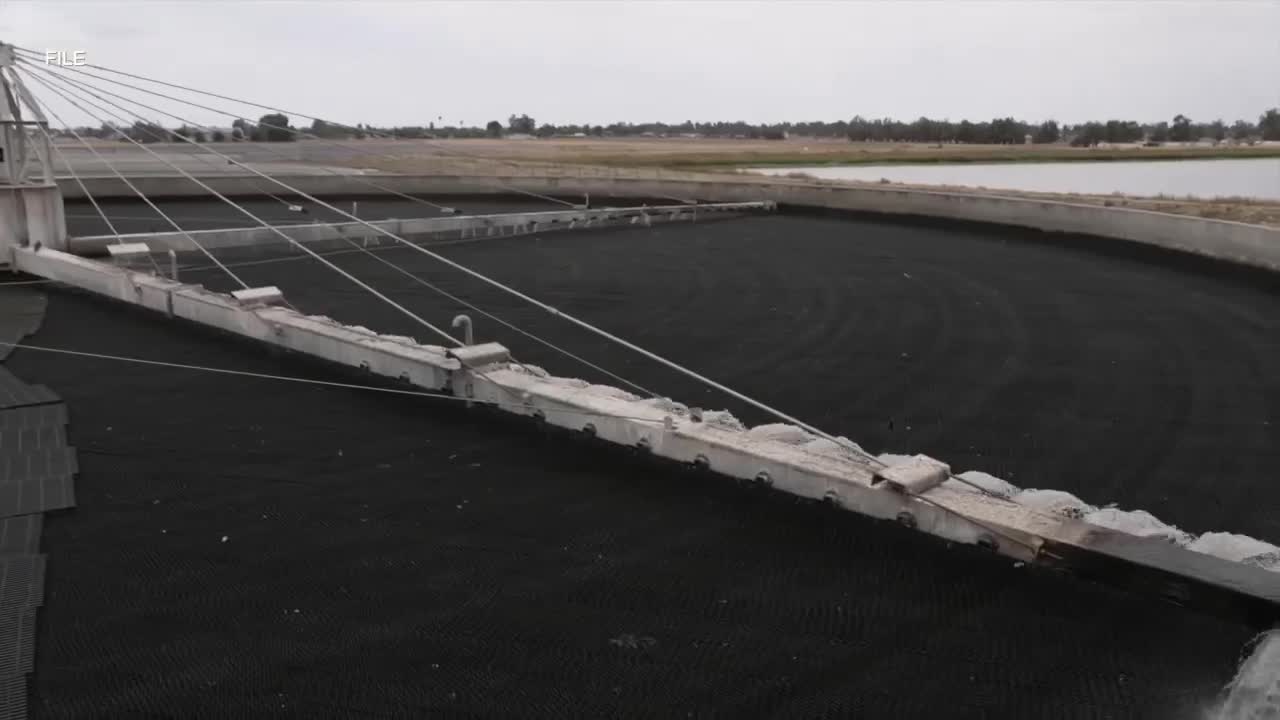
“The city operates Plant 2 and Plant 3, and those plants service Community Services District 71, which includes both city and county residents,” Peters said. “So even though some residents live outside city limits, they’re using the same facilities and will be impacted.”
Peters said about 1,700 county residents — mostly in northwest areas served by Community Services District 71 — rely on the same treatment plants.
If approved, the city’s rate plan could increase annual sewer fees from about $247 to as much as $875 over five years.
Peters said if the city moves forward with the increase, the county will receive a bill for those customers.
“The costs are coming regardless if we pass it or not, if the city moves forward. The county will get a bill,” he said.
That would leave county leaders with a decision: raise rates for those residents through their own Proposition 218 process or absorb the additional cost into the county’s general fund.
Peters said the county only recently received the engineer’s report detailing the proposal and is still reviewing the information.
“It’s going to hit not just the county, but it has up to an $8 million impact for the Kern Sanitation Authority, as well as an additional $35 million for the East Niles Community Services District,” Peters said. “We can’t ask citizens to pay more without a full breakdown and understanding of what they’re getting.”
Under California’s Proposition 218 process, property owners must submit a written, signed protest to the city clerk before the public hearing closes in order to formally oppose the increase.
To block the rate hike, more than 50% of affected parcel owners must file written protests. If a majority protest is received, the increase cannot take effect.
Peters said the county is evaluating its options moving forward.
“The county’s going to keep exploring every option, and there may be a possibility that we look at ways to remove those residents from the city system and look at other alternatives,” he said.
If more than half of affected property owners protest the proposed rates, the increase would fail. According to city officials, staff would then have to re-evaluate next steps.
Stay in Touch with Us Anytime, Anywhere:
