



BAKERSFIELD, Calif. (KERO) — Lawmakers are considering a proposal to raise the federal minimum wage to $25 an hour over the next several years, a move supporters say would help families keep up with rising living costs but critics warn could strain small businesses.
Advocates of the so-called “Living Wage for All Act” argue the increase would give workers a better chance to afford basic necessities as inflation continues to pressure household budgets. However, some economists and business owners say the policy could create unintended consequences for smaller employers already operating on thin margins.
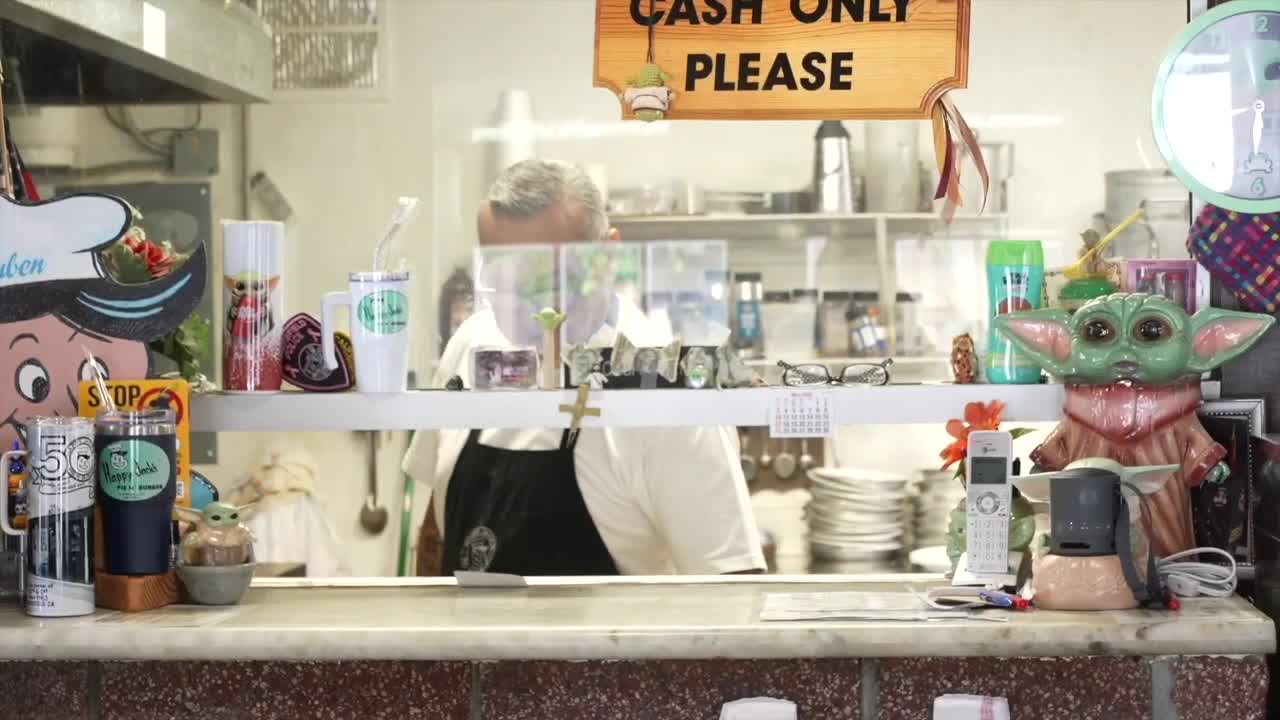
For the Rosales family, who have operated the local burger stand Happy Jack’s for nearly 50 years, those concerns are already a reality.
Co-owner Ruben Rosales said the past year and a half has been especially challenging.
“It’s really been hard because we really don’t know what’s going on,” Rosales said.
He said the restaurant once employed about eight workers but now relies mostly on himself and his wife, with occasional help from family members.
“Very difficult, very difficult,” Rosales said. “That’s my granddaughter right now, and that’s my cousin. He can’t work very much, maybe two or three hours.”
Rosales said business conditions worsened during the COVID-19 pandemic. After also dealing with an injury that kept him from working for weeks, he said rising costs forced him to maintain a limited staff. Even without high labor costs, Rosales still struggles.
“It feels terrible, to tell you the truth,” he said. “Every day I go to Smart & Final and I try to budget myself. I’ll just buy enough for today.”
Economist Richard Gerhart said while higher wages may benefit workers, they can place added pressure on small businesses.
“California has already shown that their fast-food minimum wage — a sector-specific $20 an hour — has impacted smaller businesses,” Gerhart said. “This is an expansion of that across the country.”
Gerhart said the challenges seen in California could spread nationwide if the proposal is adopted.
“Small businesses are the engine of economic growth in America, and this is essentially a small business tax,” he said.
Under the proposal, employers with more than 500 workers would gradually raise wages to $25 an hour by 2031. Smaller businesses would have until 2038 to meet the same requirement.
The bill would also include provisions to keep minimum wage aligned with broader wage trends across the country.
Gerhart said that despite the phased rollout, smaller businesses could feel the financial impact much sooner.
Rosales said uncertainty about the future continues to weigh on him.
“It’s still difficult because you never know what’s going to happen,” he said.
Stay in Touch with Us Anytime, Anywhere:
