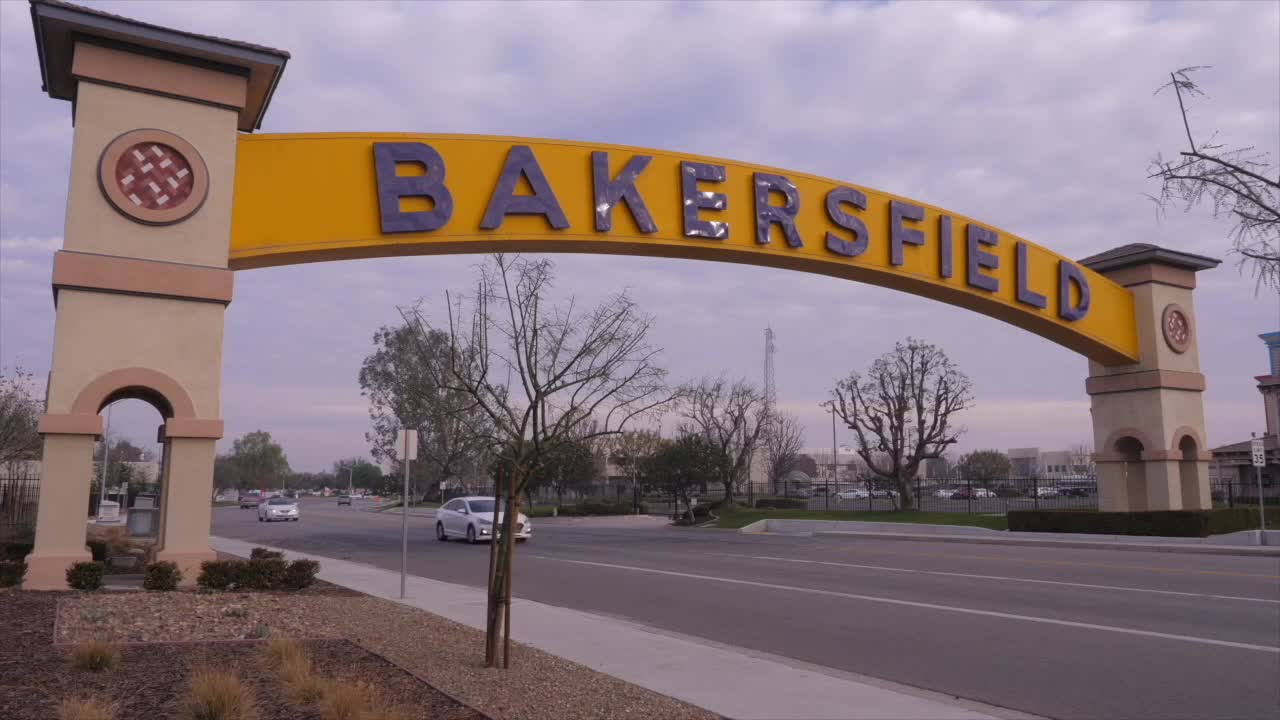


BAKERSFIELD, Calif. (KERO) — As Bakersfield prepares for its annual State of the City luncheon, city leaders say they're balancing immediate financial challenges while planning for decades of future growth.
The annual event will update community leaders, businesses and stakeholders on the city's priorities and challenges, coming just weeks after the City Council approved its fiscal year budget.
City Manager Christian Clegg said the city's biggest challenge is that expenses are growing faster than revenues.
"Our revenues are not keeping up with our expenses, so we've just had to reduce our expenses to have a balanced budget and live within our means," Clegg said.
The newly adopted budget includes nearly $5 million in operating reductions, with the largest cuts coming from community development programs. It also includes a hiring freeze for most vacant positions.
Clegg said inflation continues to drive up the cost of providing city services.
"Our expenses, without hiring new staff or creating new programs, just to provide the same amount of services, it's been about 8% or 9% increases to the cost of doing business," he said.
The budget also addresses a reduction in Public Safety and Vital Services tax revenue after sales taxes were mistakenly reported to the city instead of Kern County. Those reporting errors resulted in millions of dollars in corrections over multiple years.
Clegg said the mistakes occurred when businesses incorrectly identified whether customers lived within Bakersfield city limits or in unincorporated areas of Kern County, requiring the city and county to reconcile the tax payments.
"In any one given year, the biggest number has been about $1 to $2 million, but we actually had several years that no one was aware of these wrong payments. The audit came back, so we had a bigger hit up front. And then this last year, it was less than a million dollars of corrections that we had," Clegg said.
While city officials work to reduce spending, they are also planning for significant future growth.
The draft Bakersfield 2045 General Plan outlines capacity for more than 450,000 new homes and nearly 259,000 new jobs over the next two decades.
"We need to grow our economic base here. I'm not saying we need to raise taxes. We need to increase the tax base by having more high-paying jobs in our community," Clegg said.
That projected growth will require major infrastructure investments, including wastewater system upgrades, new roads and expanded public services.
According to the draft General Plan, Wastewater Treatment Plant No. 2 requires extensive upgrades, while Wastewater Treatment Plant No. 3 will need to expand within the next five years to accommodate continued growth in southwest Bakersfield.
Those infrastructure needs are among the reasons city leaders approved sewer rate increases this year.
Clegg said the city adopted what he described as a hybrid funding approach, combining sewer rate increases with bond financing to complete the necessary improvements while limiting long-term costs for future ratepayers.
"But because we're able to take out those bonds, and we have increased the rates based on the actual numbers, it is going to be enough to make the improvements that we need to make over the next five to ten years," Clegg said.
The draft Bakersfield 2045 General Plan is available for public review through Aug. 21, and residents can submit comments before the document is finalized.
Stay in Touch with Us Anytime, Anywhere: