



BAKERSFIELD, Calif. (KERO) — After a long pandemic pause, the federal government is moving to collect on defaulted student loans, and for some borrowers, that means money could soon be taken directly out of their paychecks.
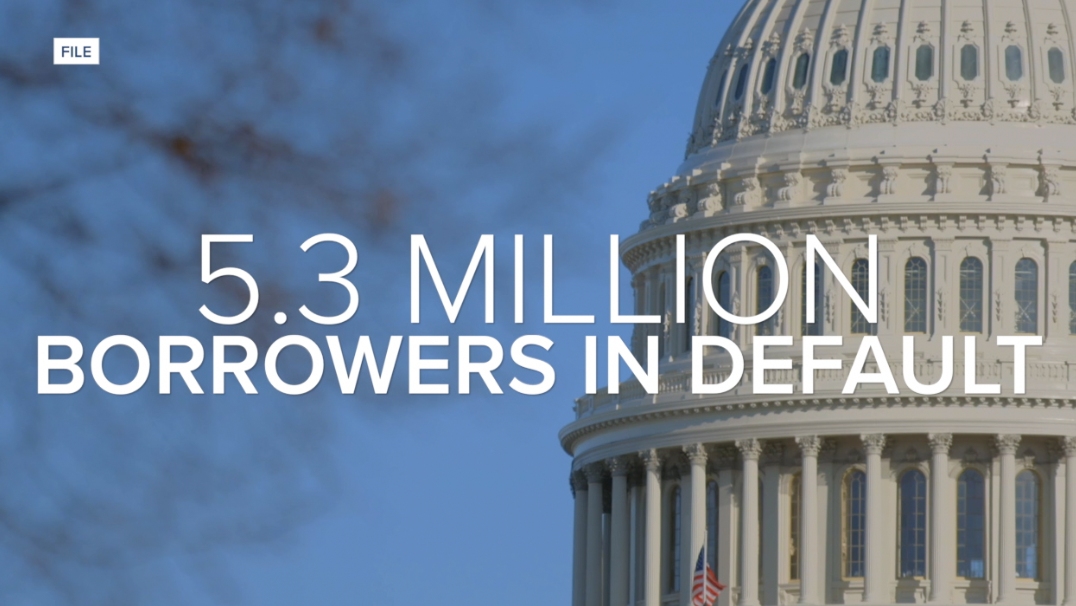
More than 5 million Americans with federal student loans are currently in default, meaning they haven't made at least a minimum payment in the last seven months. Last week, the federal government began sending out wage garnishment notices to about 1,000 borrowers, the first wave in what could be a much larger effort.
"So if you haven't received one yet, it does not mean you are out of the woods yet. You may be receiving one soon," said Jennifer Finetti, director of student advocacy at Scholarship Owl.
Finetti, a college finance expert, says the government can garnish up to 15% of a borrower's take-home pay if their loan is in default. She says many borrowers never re-entered repayment after student loans were paused during the pandemic, and that pause ended near the close of the Biden administration.
For those who receive a notice, the clock is ticking. Borrowers have just 30 days before garnishments can begin.
"That's not very much time, and if you're hoping to avoid wage garnishment, you need to contact your loan servicer right away. Find out what your payment options are to get back into positive status so that you can hopefully avoid wage garnishment," Finetti said.
Finetti says once garnishments start, they're extremely difficult to stop. Borrowers can request a hearing and plead their case on why they should not have to repay their loans.
"When you request a hearing, that will delay wage garnishment, but it won't stop it unless you actually come out as the winner in your hearing. You have to have compelling reasons why perhaps you think you don't own that debt, and if so, you need to be able to provide evidence to show why you don't own it," Finetti said.
Finetti says the best chance to avoid losing part of your paycheck is by contacting your loan servicer and discussing payment plans that fit your financial situation. If you don't know who your loan servicer is, you can find that information at studentaid.gov.
And for those who haven't yet taken on student debt, Finetti has a warning.
"Because the last thing you want to do is graduate with tens of thousands of dollars that you owe. I always encourage students to apply for scholarships and jobs, not loans," Finetti said.
Ignoring those notices can have serious financial consequences, but Finetti says reaching out early may help borrowers avoid garnishment altogether.
This story was reported on-air by a journalist and has been converted to this platform with the assistance of AI. Our editorial team verifies all reporting on all platforms for fairness and accuracy.
Stay in Touch with Us Anytime, Anywhere:
